Understanding Tongue-Retaining Devices and Who They’re Best For
Submitted by New Jersey Snoring Solutions on Wed 04/22/2026 - 12:34
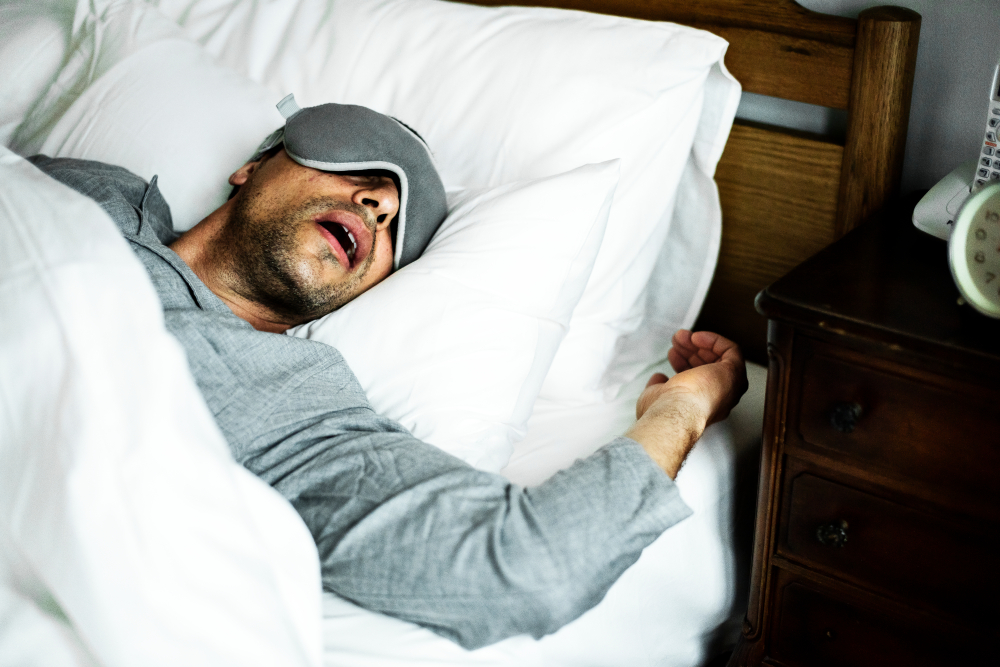
Snoring and obstructive sleep apnea can significantly affect sleep quality, energy levels, and long-term health. Many patients throughout West Orange, Livingston, and Short Hills, NJ seek alternatives to bulky CPAP machines when searching for relief from nighttime breathing problems.
At TMJ & Airway Associates, Dr. Ivan F. Stein and Dr. Allan J. Stein provide advanced airway-focused treatment options designed to improve breathing and support healthier sleep patterns through personalized care.
One non-invasive treatment option used for certain patients is a tongue-retaining device. These oral appliances are designed to help keep the airway open during sleep and may be beneficial for individuals who snore or have mild-to-moderate obstructive sleep apnea.
What Is a Tongue-Retaining Device?
A tongue-retaining device, sometimes called a TRD, is an oral appliance worn during sleep. Unlike mandibular advancement devices that reposition the jaw, tongue-retaining devices work by gently holding the tongue in a forward position. This may help prevent the tongue from collapsing backward into the airway during sleep.
When the airway stays more open, airflow may improve, and nighttime breathing interruptions may decrease. Tongue-retaining devices are often made from soft, flexible materials designed for nighttime comfort.
How Tongue-Retaining Devices Help Airway Function
For some patients, the tongue plays a major role in airway obstruction. During sleep, relaxed oral tissues may narrow the airway, contributing to snoring or breathing interruptions. A tongue-retaining device may help stabilize tongue positioning to reduce airway blockage.
These appliances may help improve:
- Chronic snoring
- Mild to moderate sleep apnea symptoms
- Airflow during sleep
- Sleep quality
- Daytime fatigue related to poor sleep
Because every patient’s airway anatomy is different, a comprehensive evaluation is important before selecting the most appropriate oral appliance therapy.
Who May Be a Good Candidate?
Tongue-retaining devices are not ideal for every patient, but they may work well for individuals who cannot comfortably wear other oral appliances or CPAP equipment. Patients with certain jaw conditions, limited teeth support, or difficulty tolerating mandibular advancement appliances may benefit from exploring this option.
At TMJ & Airway Associates, we evaluate airway structure, jaw positioning, breathing patterns, and sleep concerns before recommending treatment. Their airway-focused approach helps ensure patients receive therapy tailored to their individual needs rather than a one-size-fits-all solution.
Personalized Sleep Apnea Treatment In West Orange, NJ
TMJ & Airway Associates provides customized treatment for snoring, airway obstruction, TMJ disorders, and sleep apnea throughout West Orange, Livingston, and Short Hills, NJ. Dr. Ivan F. Stein and Dr. Allan J. Stein use advanced diagnostic techniques and modern oral appliance therapy to help patients improve nighttime breathing and overall sleep quality. Contact our practice at (855) 949-7667 to schedule a consultation and learn whether a tongue-retaining device may be appropriate for your needs.