Holiday Travel and Sleep Apnea: Keeping Treatment on Track Away From Home
Submitted by New Jersey Snoring Solutions on Mon 11/02/2026 - 17:54
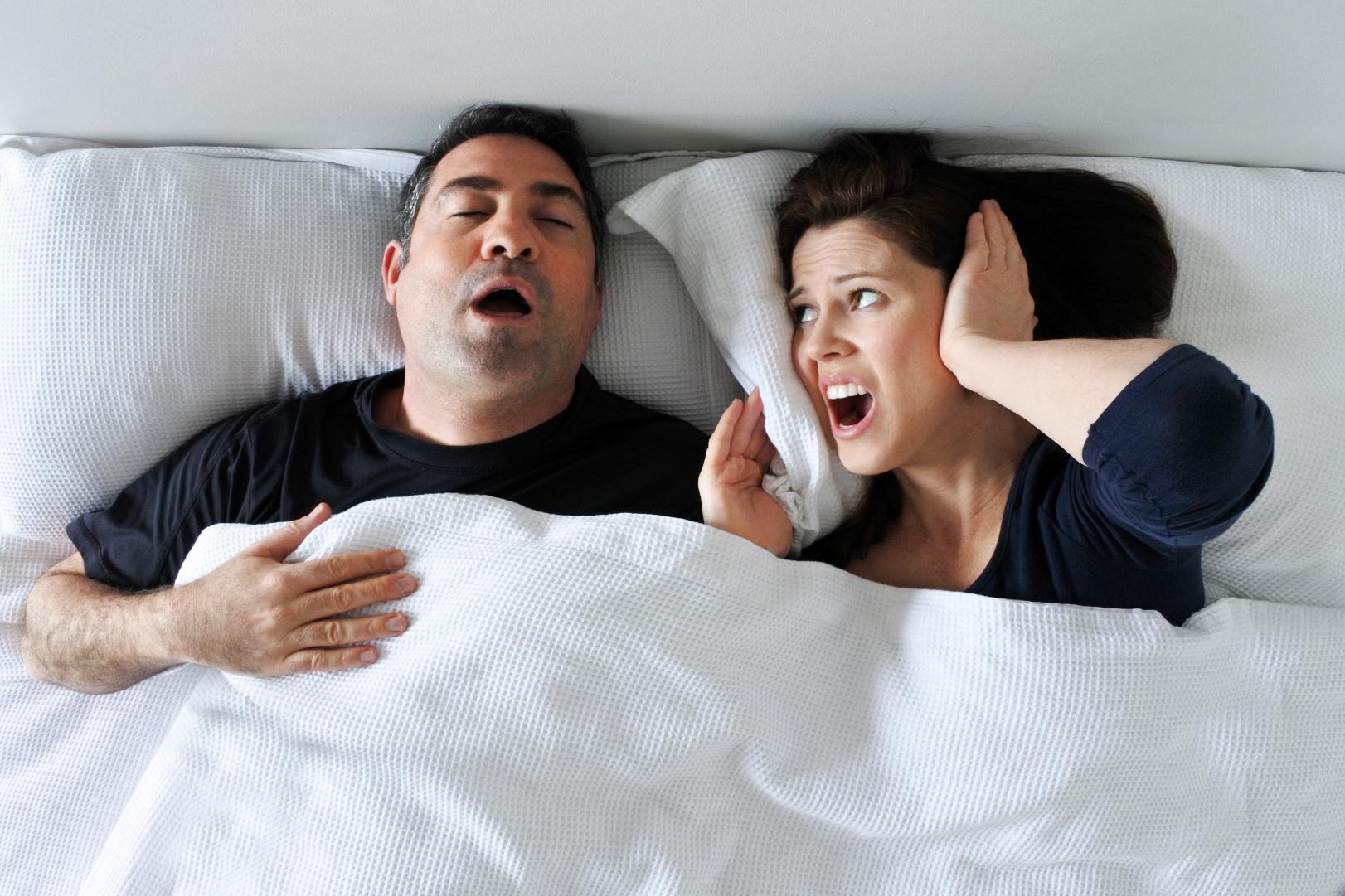
The itinerary may be settled, but bedtime is often the least planned part of a holiday trip. A different room, late celebrations, and a misplaced charger can turn a familiar sleep apnea routine into a last-minute scramble. Keeping prescribed treatment available helps support your breathing while you sleep, wherever you’re staying.
A little preparation leaves more attention for the people you’ve traveled to see. Read on for practical ways to manage treatment through airport connections, family gatherings, and nights away from your own bed.
Keep Treatment Traveling With You
Managing sleep apnea away from home starts with knowing what your treatment needs to work well. The following steps help you account for those needs before holiday plans become busy, so bedtime feels less complicated when you arrive.
1. Review Your Plan Early
A trip is a useful reason to address problems you’ve been putting off. If your mask leaks or your oral appliance feels uncomfortable, contact your treating provider before departure.
Patients preparing for holiday travel with sleep apnea in West Orange, NJ, can use a scheduled visit to discuss those concerns. Allow time for any recommended adjustment, replacement part, or follow-up assessment.
A custom oral appliance can be convenient because it is small and needs no electricity. However, it must be appropriate for your diagnosed obstructive sleep apnea and professionally fitted, with its effectiveness assessed.
If you use positive airway pressure, or PAP, don’t switch to a mouthpiece solely to save suitcase space. An ordinary night guard isn’t an apnea treatment, and an oral appliance doesn’t treat central sleep apnea.
Continue the treatment prescribed for you. Ask your sleep clinician about any proposed change well before the trip.
If your itinerary includes high-altitude destinations, tell your sleep clinician before traveling. Lower oxygen levels can affect breathing during sleep, so your treatment needs may change during a stay at higher elevations.
2. Pack a Complete Kit
A device is only useful if the pieces needed to use it make the journey too. Build your sleep apnea trip checklist around the equipment you actually use each night.
Pack treatment supplies in an accessible bag, especially when flying. Keeping essential equipment with you reduces the chance that delayed checked luggage will interrupt your routine.
Check your kit before closing the bag. Depending on your treatment, it may include:
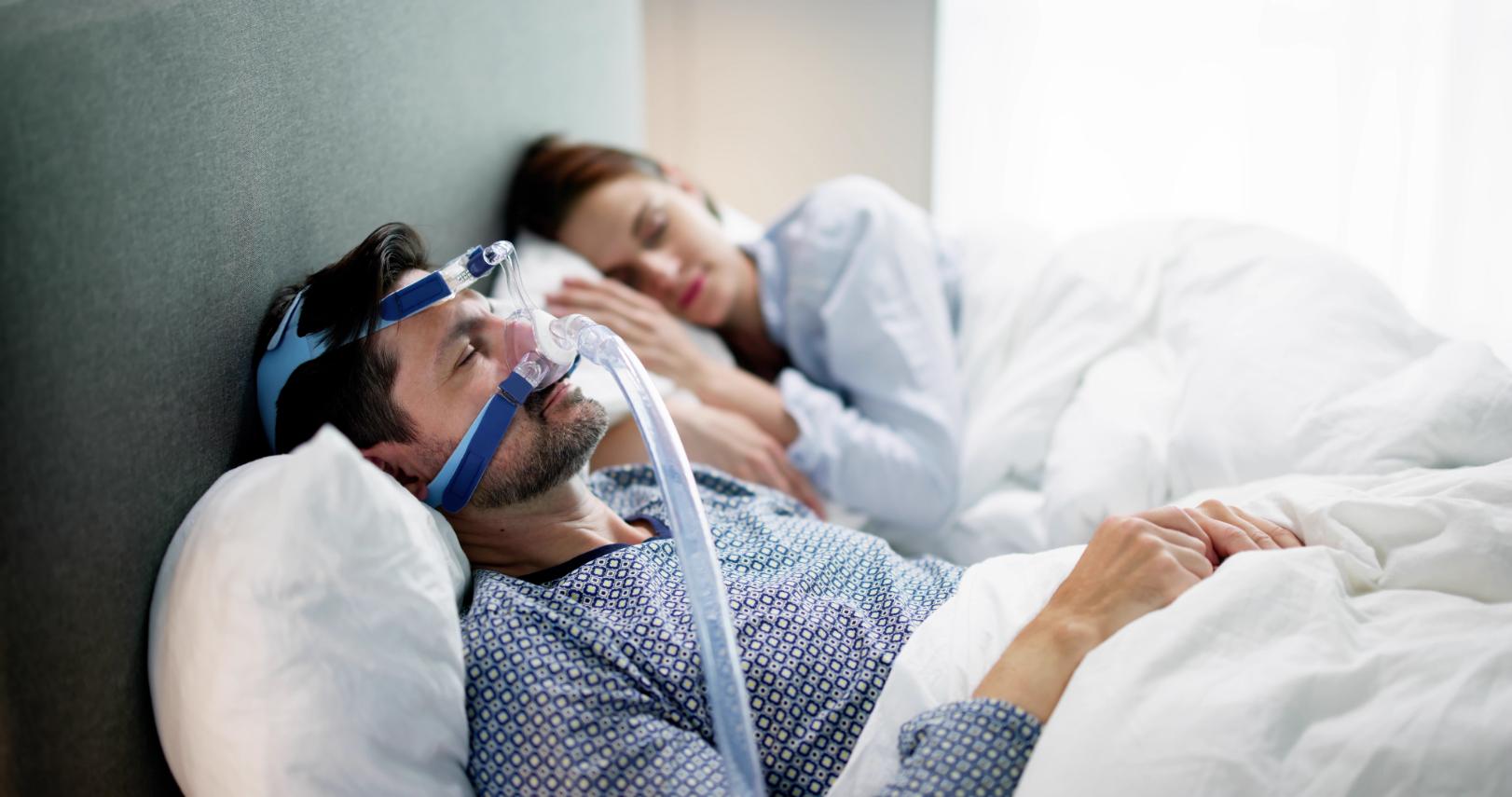
- Your PAP machine, mask, tubing, and power supply.
- Your prescribed oral appliance and protective case.
- Device-approved cleaning supplies and replacement parts you normally keep.
- Your prescription or treatment details, if needed.
- Contact information for your clinician and equipment supplier.
Photograph the assembled setup before packing it. That simple reference can help you spot a missing connector or cord when repacking after a stay.
3. Plan for Power
Reliable electricity deserves attention before you book an unfamiliar place to stay. A nearby outlet may be enough at a relative’s home, while camping or an unreliable power supply needs a different plan.
Check your PAP manufacturer’s instructions for voltage compatibility and the plug adapter required at your destination. A plug adapter changes the connection shape; it doesn’t automatically make incompatible equipment safe to use.
If backup power may be necessary, ask your supplier about a battery approved for your machine. Battery runtime varies with the equipment and settings, so confirm that the setup can cover your expected sleep period.
Test any approved travel arrangement at home before relying on it elsewhere. Keep prescribed pressure settings unchanged unless your treating clinician directs otherwise.
4. Ask Before You Fly
Air travel adds a few practical questions that are easier to settle before departure. Whether you’re traveling with sleep apnea in NJ or heading overseas, review the rules for your actual itinerary.
Under U.S. air-travel rules, assistive devices generally don’t count toward the carry-on limit. Keep personal items separate from a medical-device bag, since mixing them can affect how the bag is counted.
Carrying a machine onto a plane and operating it during the flight involve different requirements. If you expect to sleep onboard, contact the operating airline about device approval, documentation, and battery arrangements.
Don’t depend on an aircraft outlet without confirming that it can support your equipment. Spare lithium batteries must travel in carry-on baggage, with terminals protected, and capacity restrictions apply. If your carry-on bag is checked at the gate, remove spare lithium batteries and power banks, and keep them with you in the aircraft cabin.
At security, keep your equipment accessible and follow screening instructions. Allow extra time for additional inspection.
5. Set Up Before Dinner
Getting your sleep space organized while you’re still alert can prevent a rushed bedtime. Once you arrive, unpack treatment equipment before joining the evening’s activities. Place your PAP machine on a suitable, stable surface according to its instructions. Check that the cord reaches safely and the tubing won’t be pulled or trapped by furniture.
If you use an oral appliance, choose a consistent place for its case. A bedside drawer or toiletry bag may be more reliable than a crowded bathroom counter. For shared accommodation, tell your host about any practical needs, such as an accessible outlet.
You can keep the explanation brief while making the arrangement clear. Try to make the room quiet, dark, and comfortable for sleep. An eye mask or earplugs may help with an unfamiliar environment, while your prescribed treatment continues to address apnea.
6. Protect Your Sleep Time
Managing sleep apnea during holidays also means protecting enough time for actual sleep. Treatment can’t compensate for a schedule that leaves you with only a few hours in bed. Aim to keep bedtime and wake time reasonably consistent. If an evening runs late, consider adjusting the next morning’s plans instead of automatically accepting another short night.
For a trip across time zones, gradual schedule changes before departure may help. The best approach depends on the direction, distance, and length of travel, so ask your sleep clinician if major time changes concern you.
Use prescribed treatment whenever you sleep, including naps. A nap on a guest-room bed still counts, even when it wasn’t part of the itinerary. If you nap to cope with jet lag, keep it brief enough that it doesn’t crowd out nighttime sleep. Choose a setting where you can use your treatment as directed.
7. Rethink the Nightcap
Holiday celebrations often change what you drink and when you go to bed. Alcohol can relax the muscles around the airway and worsen obstructive sleep apnea, especially when consumed near bedtime.
Consider an alcohol-free drink in the evening and follow your clinician’s advice about alcohol. Using a device doesn’t make drinking without limits a sound sleep strategy. Also be cautious about adding a sleep aid for a flight or unfamiliar bedroom. Some medicines can worsen apnea or cause next-day drowsiness.
Ask a clinician or pharmacist before taking a new sleep aid, and don’t stop existing prescriptions on your own. Bring an accurate medication list if you need advice while away. Late caffeine can make it harder to fall asleep, too. Moving that coffee earlier may help protect the bedtime you’ve planned without changing the rest of the celebration.

8. Keep Care Familiar
Traveling with an appliance during the holidays is simpler when its care routine stays familiar. Follow the cleaning and storage instructions for your particular device rather than improvising with whatever is available.
Clean an oral appliance as directed and keep up with brushing and flossing. Avoid hot water or unapproved cleaners that could damage its materials. Return the appliance to its protective case when it isn’t in use. Keep it away from pets, children, and places where it could be crushed or mistaken for rubbish.
PAP equipment also needs its usual cleaning routine. Before traveling, check what water and cleaning supplies your humidifier requires at the destination.
Empty a humidifier chamber before transporting the machine, following its instructions. If congestion or dryness makes treatment difficult, ask your provider about suitable options instead of abandoning your routine.
9. Listen to Daytime Clues
How you feel during the day matters, particularly when the holiday includes a long drive. Don’t start driving when you’re sleepy, even if the route is familiar or everyone is eager to arrive.
If drowsiness develops on the road, stop somewhere safe. Rest or let an alert driver take over, and continue only when you can drive safely. Coffee alone isn’t a reliable answer to significant sleepiness. Build enough rest into the journey rather than counting on a drink to carry you through.
Changes overnight deserve attention as well. New or louder holiday snoring, witnessed breathing pauses, or gasping should be reported to your treating clinician.
Snoring alone doesn’t establish a diagnosis, and quieter sleep doesn’t prove treatment is effective. Persistent daytime sleepiness despite regular treatment also warrants review, even when travel fatigue seems like an obvious explanation.
10. Have a Backup Plan
Your holiday sleep apnea plan should account for a lost appliance, a damaged mask, or a machine that stops working. Ask before departure whom to contact and what support may be available at your destination.
Save those details somewhere you can access without internet service. Keep the device model and relevant prescription information with them. If equipment fails, contact your clinician or supplier for instructions. Don’t borrow someone else’s device, reshape an appliance, or attempt repairs with household glue.
Sleeping on your side may help some patients, but it isn’t a universal replacement for prescribed treatment. Follow the individualized advice your clinician provides for interruptions in care. After the trip, report any recurring fit problems or missed treatment. Those details can help improve your next travel plan.
Take Better Rest With You
Your holiday plans can include both meaningful time away and consistent sleep apnea care. Book a consultation with us here at TMJ & Airway Associates in West Orange, NJ, to discuss oral-appliance fit, ongoing treatment, and questions about traveling with your prescribed device.