Oral Appliance vs. CPAP: An Honest Comparison for Mild to Moderate Apnea
Submitted by New Jersey Snoring Solutions on Tue 07/21/2026 - 19:09
Waking up tired after what should have been a full night’s sleep isn’t something you should simply accept. For many people with mild to moderate obstructive sleep apnea, disrupted breathing throughout the night can lead to loud snoring, morning headaches, daytime fatigue, and difficulty concentrating.
Left untreated, sleep apnea may also contribute to broader health concerns over time. Fortunately, effective treatment options are available, and two of the most common are CPAP therapy and custom oral appliances.
If you’ve recently been diagnosed with sleep apnea, you may be wondering which treatment is right for you. While CPAP has long been considered a standard treatment for many patients, oral appliance therapy has become an increasingly popular option for appropriate candidates, particularly those with mild to moderate obstructive sleep apnea or individuals who struggle with CPAP use.
Each approach has its own advantages, and the best choice often depends on your diagnosis, lifestyle, comfort preferences, and ability to consistently use the device. Choosing between these treatments isn’t about deciding which one is universally better. It’s about finding the therapy you’ll actually use every night.
Continue reading as we take an honest look at how CPAP and oral appliances compare so you can better understand your options.
What Are Oral Appliances and CPAP?
Before comparing these treatments, it’s helpful to understand how each one works.
Oral Appliance Therapy
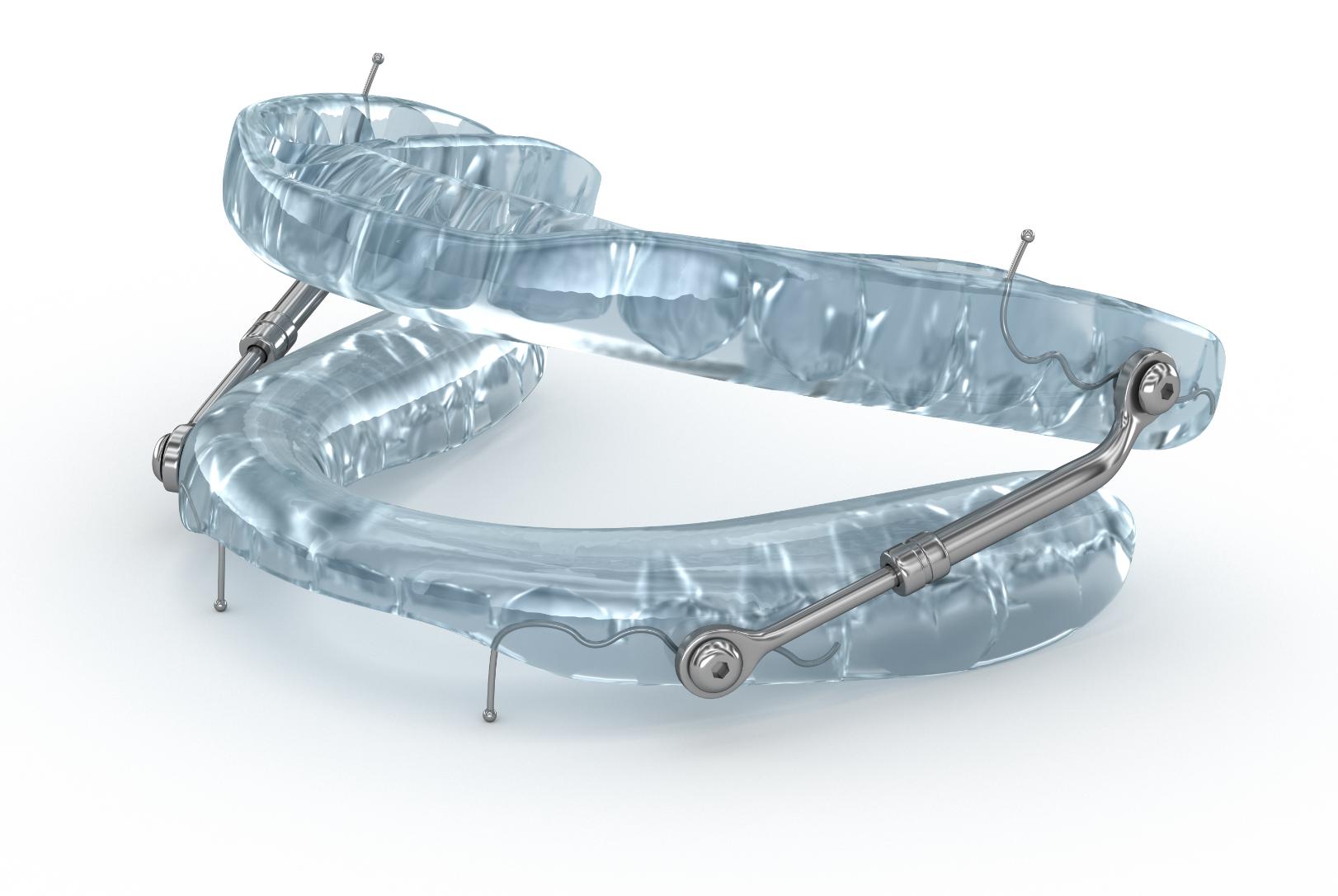
An oral appliance is a custom-made device worn during sleep that gently repositions the lower jaw to help maintain a more open airway. Many oral appliances used for obstructive sleep apnea fall into a category known as mandibular advancement devices (MADs). These appliances move the lower jaw slightly forward, helping reduce airway obstruction during sleep.
Custom oral appliances may offer several features, including:
- A personalized fit based on your dental anatomy
- Comfortable nighttime wear
- Small, portable design
- Freedom to speak and drink before bedtime
- Convenient travel compared with larger equipment
Because every appliance is custom fabricated, treatment begins with a professional evaluation and fitting.

CPAP Therapy
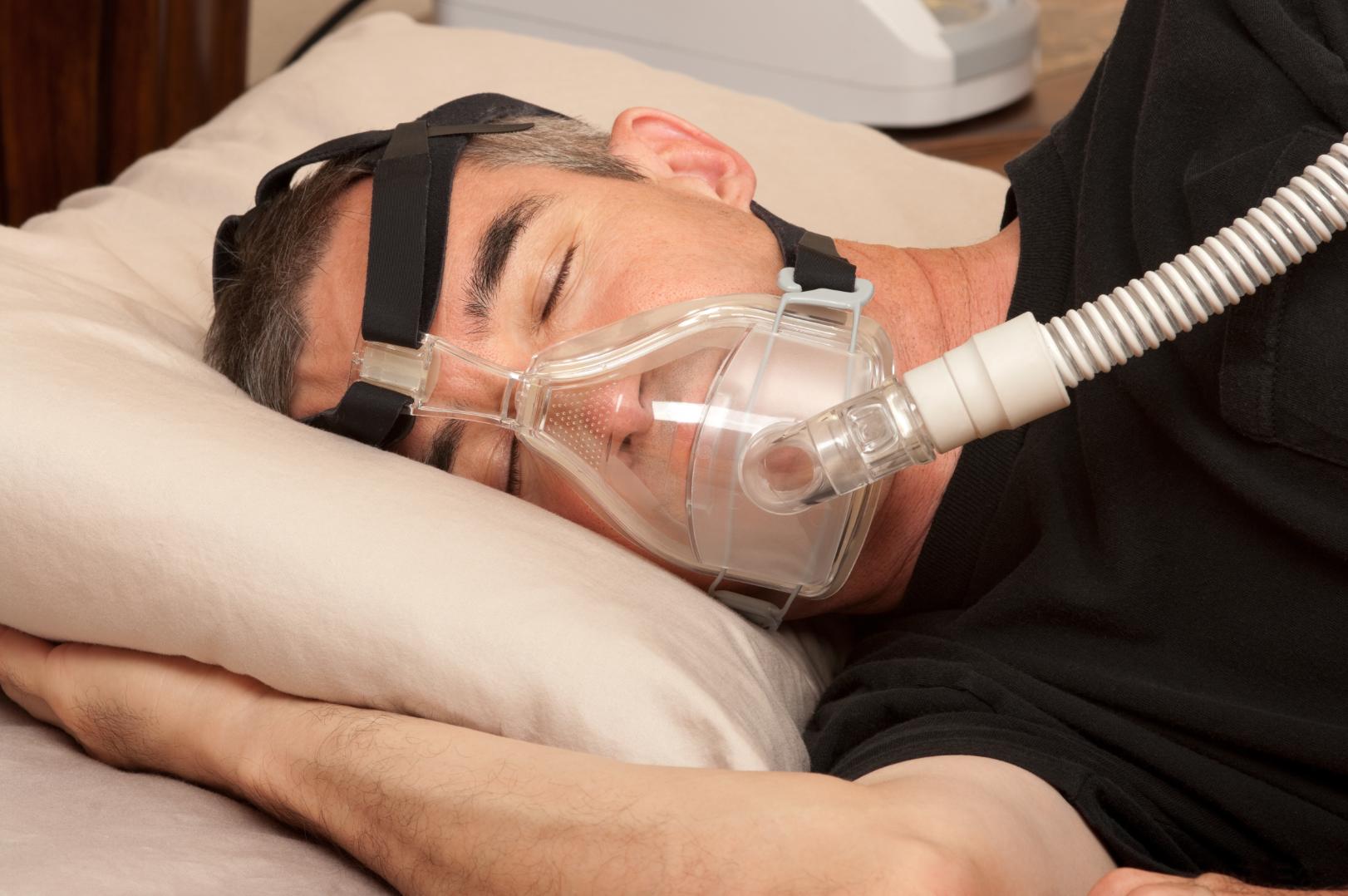
CPAP stands for Continuous Positive Airway Pressure. A CPAP machine delivers a steady stream of pressurized air through a mask worn over the nose or nose and mouth during sleep. The airflow helps prevent the airway from collapsing, allowing breathing to continue throughout the night.
A typical CPAP system includes:
- A bedside air pressure machine
- Tubing
- A facial or nasal mask
- Adjustable pressure settings
- Humidification options on many models
CPAP has been used successfully for many years and remains an important treatment option for obstructive sleep apnea.
Oral Appliance vs. CPAP: An Honest Comparison for Mild to Moderate Apnea
Both treatments are designed to improve nighttime breathing, but they accomplish that goal in different ways. Understanding the strengths and limitations of each option helps patients have more informed conversations with their sleep physician or dental sleep medicine provider.
1. Different Approaches, Same Goal
Although oral appliances and CPAP devices work differently, they share the same objective: helping maintain an open airway while you sleep. CPAP uses continuous air pressure to prevent airway collapse throughout the night. Oral appliance therapy works mechanically by gently repositioning the lower jaw, helping create more space in the airway for appropriate candidates.
When discussing an apnea appliance or CPAP, the decision isn’t simply about technology; it’s about selecting the treatment that’s most appropriate for your diagnosis and one you’re likely to wear consistently.
2. Comfort Can Influence Success
Even the most effective treatment can only work if patients use it regularly. Comfort often plays an important role in long-term adherence. Many patients adapt well to CPAP therapy, while others experience challenges such as:
- Difficulty adjusting to the mask
- Air leaks
- Dry mouth
- Feeling restricted during sleep
- Noise from the machine
- Difficulty sleeping comfortably in certain positions
These concerns are sometimes described as CPAP intolerance, although many patients successfully overcome them with adjustments, different mask styles, or support from their sleep team. Custom oral appliances are smaller and don’t require tubing or an air pump, which some patients find more comfortable for nightly use.
However, oral appliances may also require an adjustment period as patients become accustomed to wearing the device. Comfort varies from person to person, making individualized treatment especially important.
3. Effectiveness Depends on the Patient
One of the biggest misconceptions is that every patient should receive the same treatment. That’s not how sleep medicine works. CPAP is widely recognized as an effective therapy for many patients with obstructive sleep apnea and is commonly recommended, particularly for moderate to severe cases.
For many patients with mild to moderate obstructive sleep apnea, custom mandibular advancement devices can also be an appropriate treatment option when prescribed and monitored by qualified providers.
When comparing MAD vs. CPAP, it’s important to remember that treatment recommendations depend on factors such as:
- Sleep study results
- Severity of obstructive sleep apnea
- Oral health
- Jaw anatomy
- Medical history
- Patient preference
- Likelihood of consistent use
This individualized approach is far more valuable than assuming one treatment fits everyone.
4. Lifestyle Matters More Than Many People Realize
Your daily routine can influence which therapy fits more naturally into your life. Patients who travel frequently often appreciate the compact size of custom oral appliances because they fit easily into luggage without requiring electrical outlets or additional equipment.
Others prefer CPAP because they’re already comfortable using the machine at home and while traveling. Lifestyle considerations may include:
- Business travel
- Camping or outdoor activities
- Sleeping positions
- Shared bedrooms
- Frequent overnight trips
- Convenience during vacations
For patients researching oral appliance vs. CPAP in West Orange, NJ, discussing these lifestyle factors during a consultation helps identify the treatment that’s most compatible with everyday life.
5. Consistency Is the Real Goal
The most sophisticated treatment can’t help if it remains in the closet or packed away in a travel bag. Successful sleep apnea management depends heavily on consistent nightly use. Whether your provider recommends CPAP or an oral appliance, long-term success often comes from finding a therapy that fits comfortably into your lifestyle and that you’re willing and able to use night after night.
What If You Can’t Tolerate CPAP?
Not every patient adjusts to CPAP therapy the same way. While many people successfully use CPAP every night, others find it difficult to adapt despite trying different masks, pressure settings, or comfort features. This doesn’t necessarily mean treatment has failed—it simply means another conversation with your provider may be appropriate.
For some patients with mild to moderate obstructive sleep apnea, a custom oral appliance may be considered as a CPAP alternative after a comprehensive evaluation. Patients experiencing CPAP intolerance commonly describe concerns such as:
- Difficulty keeping the mask on throughout the night
- Feeling confined while sleeping
- Air leaks around the mask
- Dry mouth or nasal irritation
- Noise that disrupts sleep
- Challenges when traveling
If these issues continue despite troubleshooting, your provider can discuss whether another treatment approach is appropriate based on your diagnosis and sleep study results.
Professional Evaluation Comes First
Choosing between CPAP and an oral appliance shouldn’t be based on convenience alone. Every patient’s airway, oral anatomy, and severity of sleep apnea are different. That’s why a thorough evaluation is one of the most important parts of the decision-making process.
During your consultation, your provider may review:
- Your sleep study results
- Severity of obstructive sleep apnea
- Medical history
- Jaw alignment and dental health
- Lifestyle factors
- Previous experience with CPAP
- Personal treatment goals
This comprehensive assessment helps determine whether an oral appliance is appropriate or whether CPAP remains the better recommendation. Patients searching for a CPAP alternative in NJ benefit most from individualized care rather than generalized advice found online.
Frequently Asked Questions
1. Can I switch from CPAP to an oral appliance if I’m already using CPAP?
Yes, this is a common reason patients seek a second consultation. If you’re experiencing ongoing CPAP intolerance, a sleep dentist or physician can review your original sleep study and determine whether a custom oral appliance is an appropriate alternative based on your diagnosis and anatomy.
2. Is oral appliance therapy covered by insurance?
Many medical insurance plans, including Medicare in some cases, provide coverage for oral appliance therapy when it’s prescribed for diagnosed obstructive sleep apnea. Coverage varies by provider and plan, so it’s best to confirm benefits during your consultation.
3. Do I need a sleep study before getting an oral appliance?
Yes. A sleep study (either in-lab or at-home) is typically required to confirm a diagnosis and determine the severity of sleep apnea. This information helps your provider decide whether an oral appliance is a suitable option or whether CPAP is more appropriate.
4. How long does it take to adjust to wearing an oral appliance?
Most patients need a short adjustment period, often a few days to a few weeks, as the mouth and jaw get used to the device. Mild soreness or increased saliva production is common initially and typically improves with continued use.
5. Can oral appliances be used for severe sleep apnea?
Oral appliances are most commonly recommended for mild to moderate obstructive sleep apnea. For severe cases, CPAP is generally considered the more effective first-line treatment, though some patients may still be candidates for an oral appliance depending on individual factors and provider evaluation.
6. How often does an oral appliance need to be replaced or adjusted?
Custom oral appliances are durable, but periodic follow-up visits are recommended to check fit, effectiveness, and wear. Your provider can advise on when adjustments or a replacement device may be needed.
7. Will an oral appliance affect my bite or jaw over time?
Some patients notice minor changes in bite alignment with long-term use. This is why ongoing monitoring by a qualified provider is an important part of oral appliance therapy, so any changes can be addressed early.
8. Can I try an oral appliance before committing to it long-term?
Your provider will typically start with a thorough evaluation, including sleep study results and an oral exam, before fabricating a custom appliance. Because these devices are custom-made, there isn’t a generic “trial” version, but your provider can walk you through what to expect based on your specific case.
Better Nights Start With the Right Sleep Apnea Treatment
Both CPAP and custom oral appliances play valuable roles in treating obstructive sleep apnea. While CPAP continues to be a highly effective option for many patients, oral appliance therapy offers an alternative for many individuals with mild to moderate sleep apnea or those who have difficulty tolerating CPAP. The best treatment depends on your diagnosis, anatomy, lifestyle, and long-term ability to use the device consistently.
At TMJ & Airway Associates in West Orange, NJ, every treatment plan begins with understanding the patient, not just the diagnosis. Through comprehensive evaluations and personalized care, the team helps patients explore the most appropriate options for managing sleep apnea and improving the quality of their sleep. If you’re deciding between CPAP and an oral appliance, a professional consultation is the best way to determine which approach fits your needs.
Contact us today to book your appointment!